Solo Travel in Argentina: Costs, Safety and Finding a Travel Partner
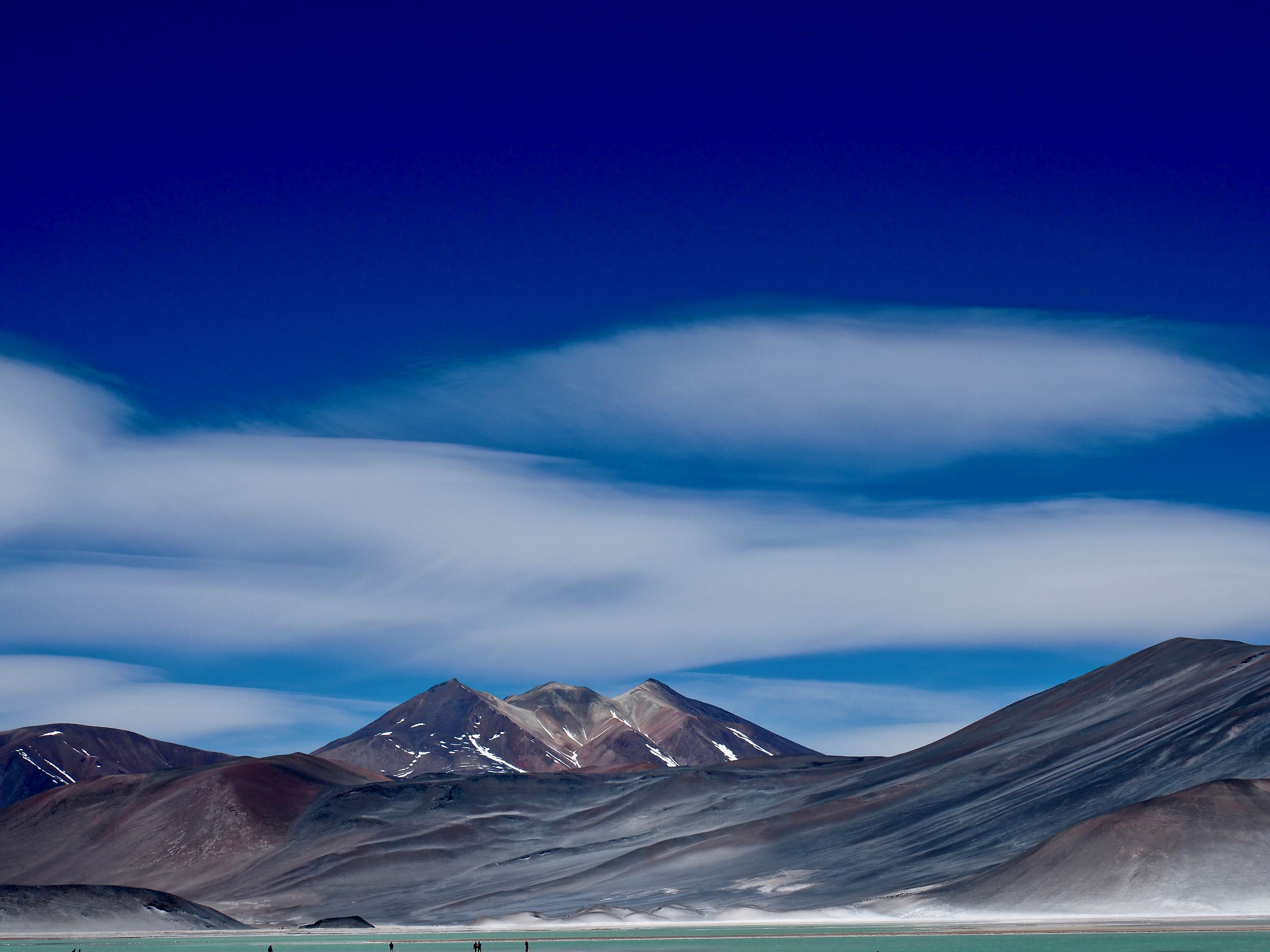
Argentina rewards independent travellers more than almost anywhere else in South America. The country is enormous, the bus network is excellent, the food is extraordinary, and Argentines are genuinely warm once you get past the initial formality. You can travel from the subtropical north to glaciers in the deep south, and the range of landscapes in between, the Andes, the wine valleys, the grasslands, the lake district, is hard to match on a single trip.
But Argentina is also a country that asks you to pay attention. The economy is volatile, the gap between tourist and locals prices has been significant in recent years, and certain habits around phones and bags in cities are genuinely worth developing before you arrive. This guide gives you the practical detail to plan well, whether you travel alone the whole way or link up with an [Argentina travel partner](https://www.findtravelpartner.com/destinations/south-america/argentina) somewhere along the route.
When to Go
Argentina spans roughly 3,500 kilometres from north to south, so "best time to go" depends entirely on where you are headed.
Patagonia and the south: November to March is summer in the southern hemisphere. This is the window for Torres del Paine (just across the border in Chile, but a common add-on), El Chaltén, El Calafate and Ushuaia. December and January are peak season; trails are busy, dorms fill up, and prices rise. If you can go in November or March, you will find smaller crowds and slightly lower costs while the weather is still manageable. April can be stunning for autumn colour around El Chaltén, but some trails close.
Buenos Aires: Pleasant almost year-round, though January and February are hot and humid and many locals leave for the coast. April to June and September to November are genuinely lovely: mild temperatures, fewer tourists, and easier to get accommodation at short notice.
Mendoza and wine country: Harvest season, called vendimia, runs February to March. It is festive and worth being there for, though it draws crowds. The shoulder months on either side are excellent for cycling between bodegas without the heat.
The north, including Salta, Jujuy and the salt flats: May to September is dry season and the preferred time. July and August are busy with Argentine domestic tourists because it is school holiday season; prices tick up but the landscapes are at their most dramatic.
If you are doing a longer trip that combines regions, a useful route is to start in the north in May, move through Mendoza and Buenos Aires over June and July, and head south in November after a second stint elsewhere. Many backpackers do this kind of loop over three to six months.
What a Week Actually Costs
Argentina's economy has been through repeated currency crises, and the practical result for travellers is that costs have shifted dramatically at different points in time. The numbers below reflect approximate conditions for travellers using the formal exchange rate, which is what you get when you pay by card or withdraw from an ATM. Always check current rates before you travel, because they move.
Backpacker level (roughly USD 45 to 65 per day):
- Dorm bed in a hostel: USD 12 to 20 per night in Buenos Aires, slightly less in smaller cities and Patagonia towns depending on season. - Meals: A set lunch menu (called a menú del día or menú ejecutivo) at a local restaurant runs USD 6 to 10 and includes two courses and a drink. Street empanadas cost around USD 1 to 2 each. Cooking in a hostel kitchen cuts costs significantly. - Long-distance buses: A 15-hour overnight bus from Buenos Aires to Mendoza in a semi-cama seat costs roughly USD 30 to 50. Cama suites (fully flat) are more. - Activities: Entry to many national parks requires payment; Glaciares National Park near El Calafate is one of the more expensive at around USD 20 to 25 for foreigners.
Mid-range level (roughly USD 100 to 160 per day):
At this level you are in private rooms in boutique guesthouses or three-star hotels, eating at proper parrillas rather than set menus, taking the occasional internal flight, and doing guided excursions rather than self-guided walks. Buenos Aires is genuinely cheap for mid-range dining by European or North American standards: a full steak dinner with wine at a good restaurant in Palermo might cost you USD 30 to 40 per person.
A practical note on cash: Even if the informal exchange rate (which has historically offered better rates) is not something you want to engage with, it is worth carrying some US dollar bills in good condition, because some accommodation and tour operators price in dollars and accept cash at rates better than official ATM withdrawals. Western Union transfers and services like Wise can also be useful. This situation changes frequently, so research current conditions in traveller forums close to your departure.
Getting Around the Country
Argentina is roughly eight times the size of the UK, so getting around takes time and planning.
Buses are the backbone of Argentina backpacking. The long-distance bus system is extensive and reasonably comfortable. Major operators like Andesmar, Flecha Bus and Via Bariloche connect most cities. Overnight buses in cama or cama suite class come with reclining flat seats, meals, and sometimes wine, which sounds absurd but is accurate. Buy tickets in advance through Plataforma 10 or at the terminal, especially for popular routes in peak season.
Domestic flights save you enormous amounts of time on the longest stretches. Buenos Aires to Ushuaia is around three hours by plane versus two days by bus. Aerolíneas Argentinas and LATAM both serve domestic routes. Prices vary widely; book early and check for sales. If you are travelling in a pair after finding a travel buddy in Argentina, splitting a taxi to the airport and sharing baggage strategies already saves money.
Remises and taxis: In cities, use the Cabify or InDrive apps rather than hailing taxis on the street, particularly in Buenos Aires. This is both safer and easier because payment is handled in-app.
Renting a car makes sense for specific regions, particularly in Patagonia where some of the best scenery (the road to Fitz Roy, the Ruta 40) is hard to reach by bus. Renting with another person halves the cost. An international driving licence is required and you should check insurance terms carefully because the roads in the south can be unpaved.
Hitchhiking is genuinely common in Patagonia, particularly around El Chaltén and El Calafate, where locals and tourists both do it. It is not a reliable sole strategy but it works as a supplement and is one of the ways solo travellers end up spending hours talking with interesting people.
Safety: the Habits That Actually Matter in Argentina
Argentina is not a dangerous country in the way that phrase sometimes gets applied to Latin America generally. Violent crime against tourists is uncommon. What is common, particularly in Buenos Aires and Rosario, is petty theft: phones snatched from hands, bags grabbed from café chairs, the "mustard trick" where someone distracts you while an accomplice takes your bag.
These are the habits worth building before you arrive:
In Buenos Aires specifically:
- Keep your phone in your pocket or bag when walking. Do not hold it at waist height while you navigate. Use it, then put it away. - In San Telmo market and La Boca (the colourful tourist strip called Caminito), stay on the main streets. Both are fine during the day on the main drag; wandering a block off without a sense of the neighbourhood is where people get into trouble. - Use Cabify or InDrive for taxis rather than hailing on the street. This is also true at the airport: use the official taxi desk inside arrivals, not people who approach you outside. - Keep a copy of your passport somewhere separate from the original. Some travellers carry a photocopy; others use a photo on their phone. The original should be in your accommodation safe or a hidden money belt. - Carry only what you need for the day. Leave your main bank card at the accommodation and take a secondary card out with you.
On overnight buses:
- Keep your day bag with valuables in the overhead rack above your seat, not in the luggage hold underneath. Your larger bag going in the hold is fine; your phone, money and documents should be with you. - Some people use a small padlock on their day bag zip, which is not a serious security measure but is enough of a deterrent to deter opportunistic rifling.
In Patagonia and the north:
Safety concerns are much lower in smaller towns. The main hazards are environmental: changing weather on the trails around El Chaltén (it can go from warm to dangerous wind and rain within an hour), altitude when you approach the puna in Jujuy (above 3,000 metres), and dehydration in the salt flats. Tell someone your route before hiking; register at ranger stations where required.
Scopolamine (burundanga): This drug, slipped into drinks, has been reported in Buenos Aires nightlife scenes. It is not common but it is real. The standard advice: do not accept drinks from strangers, do not leave your drink unattended, and in bars you do not know, go with someone or stay alert.
Where Solo Travellers Actually Meet Each Other
The honest answer is that Argentina makes it relatively easy to meet people if you put yourself in the right places.
Hostels are the obvious starting point. Buenos Aires has a dense concentration of social hostels, particularly in Palermo and San Telmo. Milhouse Hostel and America del Sur are names that come up repeatedly among backpackers; both organise communal dinners, pub crawls, and tours that create natural meeting points. In Patagonia, the hostel in El Chaltén is a practical meeting place because almost everyone is heading the same trails.
Cooking classes and wine tours: Mendoza's bodega bike tours have a reputation for being sociable. You spend a day cycling between vineyards, sharing tastings with whoever else turned up that morning, and it is genuinely easy to end up having dinner with the same group that evening.
Guided day trips: Whether it is a boat trip to see Perito Moreno Glacier up close or a guided tour of the salt flats near Purmamarca, group tours are meeting points. Many operators run small groups of eight to twelve people.
Language schools and exchanges: Buenos Aires has a thriving expat and long-term traveller community, and Spanish language schools often post noticeboard events. Even if you are not studying Spanish, attending a language exchange (intercambio) at a café is a reliable way to meet both locals and other travellers.
The trail itself: The three-day W circuit at Torres del Paine, the hike to Laguna de los Tres outside El Chaltén, the Quebrada de Humahuaca in Jujuy: these all have a natural social rhythm because you see the same people at the same refugios and viewpoints. You will end up walking with people, and that turns into plans to share a bus or a rental car.
Online, before you leave: Connecting with people before your trip starts means you arrive with plans rather than hoping to meet someone on day one. If you want to find someone heading to the same part of Argentina on the same dates, [Find Travel Partners](https://www.findtravelpartner.com/find-partners) lets you search by destination and date. Matching before you go is particularly useful for the more remote parts of the trip, like Patagonia in high season where accommodation books out weeks in advance, and arriving with a partner makes organising rental cars and refugio reservations easier.
Practical Checklist Before You Go
Work through this before you leave:
1. Check your visa situation. Entry requirements depend on your passport nationality and change. Do not rely on forum posts from a year ago. Use the [visa checker](https://www.findtravelpartner.com/visa) and verify with the Argentine consulate in your country.
2. Set up a Wise account or similar. This gives you a way to hold US dollars and convert at real exchange rates. Research the current best methods for accessing money in Argentina close to your travel date.
3. Download apps before you land. Cabify, InDrive, and Google Maps with offline Argentina maps. Also download WhatsApp if you do not already have it: it is the primary communication tool for everything in Argentina, from hostels to tour operators to new friends.
4. Get travel insurance that covers medical evacuation. If you are hiking in Patagonia or going to high altitude in the north, standard travel insurance may not be enough. Check the policy specifically for adventure activities and for helicopter evacuation, which is how serious trail rescues work in remote areas.
5. Sort your bank cards. Tell your bank you are going to Argentina. Check the ATM withdrawal fees. Bring a backup card from a different bank stored separately from your main card.
6. Book your first two nights in advance. Even if you are going fully spontaneous after that, having somewhere confirmed for night one reduces stress after a long flight.
7. Pack layers, not just warm clothes. Patagonian weather changes fast. A good waterproof shell, mid-layer fleece, and base layers get you further than a single heavy jacket. In Buenos Aires in summer, light cottons and comfortable walking shoes are what you actually wear.
8. Learn ten sentences of Spanish. You do not need to be fluent, but basic Spanish goes a very long way in Argentina, particularly outside Buenos Aires. "Disculpe, habla inglés?" and "No entiendo, puede repetir más despacio?" will carry you through a lot.
9. Check the opening hours of specific things you want to see. Argentina has a culture of long lunches and siesta in smaller cities, and museum hours are sometimes unreliable. Confirm directly if something specific matters to your itinerary.
10. If you are renting a car in Patagonia, book it early. In January and February, rental cars in El Calafate and Bariloche sell out weeks in advance.
The Buenos Aires Orientation
Nearly everyone comes through Buenos Aires, either at the start or end of a trip, and it deserves a section of its own because it rewards knowing which parts of the city to spend time in.
Palermo is the neighbourhood most international visitors end up based in. It is safe, walkable, full of restaurants and bars, and has good transport links. Palermo Soho (boutiques and cafés) and Palermo Hollywood (restaurants and nightlife) are adjacent and easy to navigate on foot.
San Telmo is the older, cobblestoned neighbourhood south of the centre. The Sunday market on Plaza Dorrego is worth seeing, even if the antique stalls are priced for tourists. The neighbourhood has a rougher edge than Palermo, which some people prefer.
Recoleta is where you go for the famous cemetery (Cementerio de la Recoleta, where Evita is buried) and a sense of the wealthy, European-influenced Buenos Aires. The area around the cemetery has cafés that are ideal for a slow morning.
La Boca: Worth seeing Caminito for an hour during the day, then leave. It is genuinely colourful and genuinely touristy, and it is not a neighbourhood to wander without a sense of direction.
For food: eat at a parrilla at least once. A proper grill restaurant with provoleta (grilled cheese), chorizo, and a bife de chorizo (sirloin) is one of the defining experiences of Argentina, and in Buenos Aires you can do it well for USD 20 to 30 per person including wine. La Brigada in San Telmo and Don Julio in Palermo are names that come up repeatedly among locals; book ahead for Don Julio, it fills up.
For nightlife: Buenos Aires goes late, and this is not a cliché. Clubs do not get going until 2am. Many bars do not fill until midnight. If this is not your scene, the dinner and wine culture is just as strong, and most of the social energy in hostels is built around dinners and day trips rather than clubs.
Travelling with a Partner: What It Actually Changes
Solo travel Argentina style has real advantages: you go where you want when you want, you make decisions fast, and you end up talking to far more strangers than you would if you already had company. Many people find Argentina one of the easiest countries in Latin America to travel alone precisely because the infrastructure for independent travel is well developed.
But there are genuine practical benefits to having a travel buddy in Argentina, especially on specific parts of the route.
Patagonia is expensive. Accommodation in El Chaltén and El Calafate is pricier than elsewhere in Argentina, and renting a car to get to the best viewpoints, or taking a boat tour to the glacier, costs a fixed amount whether one person does it or two. Having a partner splits those costs meaningfully.
The overnight bus culture is better with company if you are on the road for weeks: someone to watch your bag when you go to the bathroom, someone to pass the mate gourd with (many Argentines travelling long-distance will offer you mate, the caffeinated drink, and it is one of the most genuine moments of connection available).
In the north, altitude can hit unexpectedly. Having someone with you when you are at 4,000 metres above sea level in the Quebrada del Toro or near the Salinas Grandes is simply sensible.
If you want to find someone heading to a similar itinerary, matching by region and date before you leave is more reliable than hoping to find the right person in a hostel dorm on the day. The coincidence of finding someone who happens to want the same places in the same order is real, but engineering it is more efficient.
What to Do Next
Argentina is a country that is easy to underestimate in terms of time. Most people who go for three weeks wish they had four. Most people who go for a month start thinking about coming back.
Start by fixing your approximate dates and the regions you definitely want. Patagonia, the north, Mendoza, and Buenos Aires are all genuinely different trips inside the same country. You probably cannot do all of them well in under three weeks; pick two and do them properly.
Then sort the admin: check your visa requirements, set up a way to access money, and get your insurance in place. Passport, money, insurance, apps: those four things done properly before you land make everything else easier.
If you want to share the trip with someone, check what dates and destinations other travellers are planning at [Find Travel Partners](https://www.findtravelpartner.com/find-partners). You can browse by destination and match with people heading to the same part of Argentina on similar dates, which is more useful than most travellers expect when they first think about it.
The rest you figure out on the ground. Argentina rewards people who pay attention and stay flexible. Book the bones of the trip, leave room to change, and let the country fill in the gaps.
Ready to find your travel partner?
Join verified travelers heading your way. First month free.
Get started free