

Find a Travel Partner in French Polynesia
Everything you need to plan French Polynesia with a travel partner - key facts, current tourism trends, live local data, and exactly what your passport needs to enter.
🇵🇫 French Polynesia at a glance
- Capital
- Papeetē
- Largest city
- Papeetē
- Official language
- French
- Area
- 4,167 km² (1,609 mi²)
- Population
- 282k2025 · World Bank
- Currency
- CFP franc, XPF (₣)
- Region
- Polynesia
- Time zone
- Pacific/Tahiti
- Calling code
- +689
- Plug type
- Type C, E
Data updated: weather just now · rates 28 min ago · sources: Open-Meteo, ExchangeRate-API
About French Polynesia
French Polynesia is the postcard the words "South Pacific" conjure - and astonishingly, it lives up to it. Scattered across an expanse of ocean as wide as Europe, its 118 islands and atolls include the names that define tropical paradise: Tahiti, Moorea, and above all Bora Bora, whose impossibly turquoise lagoon, ringed by motus (islets) beneath the jagged emerald peak of an extinct volcano, is the global icon of the overwater bungalow honeymoon. The water here is a luminous, unreal blue; the lagoons teem with rays and reef sharks you can swim among; and the sense of being somewhere almost too beautiful to be real is the whole experience. But there's more depth than the luxury-resort image suggests. This is the heart of Polynesian culture - the islands that launched the great Pacific voyages, inspired Gauguin's final masterpieces and Melville's tales, and still pulse with Tahitian dance, song, tattoo (the very word comes from here) and the warmth of a people for whom the lagoon, the family and the welcome are everything. Beyond the Society Islands (Tahiti, Moorea, Bora Bora) lie the Tuamotus - vast coral atolls like Rangiroa and Fakarava that are among the planet's greatest diving destinations, drift-diving through passes thick with sharks - and the remote, dramatic Marquesas, of soaring green cliffs and deep cultural mana, the most isolated islands on Earth. For travel partners French Polynesia is the ultimate splurge-together destination - it is genuinely expensive (everything is imported, and the resorts are world-class for a reason), so it rewards sharing: an overwater bungalow, a lagoon excursion, a black-pearl hunt. But it can also be done more affordably with family-run guesthouses (pensions), local ferries and the islanders' own beaches and markets, trading champagne for a richer cultural stay. Either way, share the lagoon at sunset - few places on Earth feel more like a dream made real.
Tourism in French Polynesia
International tourist arrivals over the most recent years with available data - roughly #4 of 5 in its continent by reported arrivals (sources vary by country).
Travelers heading to French Polynesia
Real members with trips planned and dates set - match with someone going your way.
Be the first to plan a French Polynesia trip
Create your trip and we'll match you with verified travelers heading the same way - so you never explore French Polynesia alone.
Create your tripBest time to visit French Polynesia
The best time is the dry, cooler season (roughly May-October, the Southern Hemisphere winter), when humidity drops, skies are clearer, the sea is calm and conditions are ideal for island-hopping, diving and lagoon time - this is peak season, so book well ahead, especially for Bora Bora. The wet, warmer season (November-April) brings higher humidity, more rain (often brief tropical showers) and the (low) risk of cyclones, but also lower shoulder-season value and lush green landscapes. Water temperatures are warm year-round (26-29°C). For diving the Tuamotu passes, specific months bring spectacular aggregations (Fakarava's grouper spawning and its famous "wall of sharks" peak around June-July). The Heiva festival (July) is the great cultural celebration of dance, song and sport across the islands - a wonderful, vibrant time to visit if you can book early.
Top places & experiences in French Polynesia
Bora Bora
The icon - a luminous turquoise lagoon ringed by motus beneath Mount Otemanu's jagged peak, the global home of the overwater bungalow and ray-and-shark lagoon swims.
Moorea
Tahiti's heart-shaped neighbor - dramatic green spires over twin bays, snorkeling with rays and reef sharks, pineapple plantations and a more relaxed, affordable vibe.
Tahiti
The main island and gateway - Papeete's market and waterfront, black-sand beaches, surf at Teahupo'o, lush interior waterfalls and the Gauguin and pearl heritage.
Rangiroa & Fakarava (Tuamotus)
Vast coral atolls among the world's greatest dive sites - drift-diving the passes through 'walls' of sharks, mantas and dolphins in electric-blue water.
Huahine & Taha'a
Quieter Society Islands - Huahine's lush, untouristed authenticity and ancient marae temples, and Taha'a's vanilla plantations and coral gardens.
The Marquesas
The most remote islands on Earth - soaring green cliffs, deep Polynesian culture and mana, the inspiration for Gauguin and Brel - reached by the legendary Aranui voyage.
Budget & costs
Estimates in USD for planning only - your style and season change everything. Use the live exchange rate above for local-currency budgeting.
Getting around
Getting around French Polynesia means flying and boating across big ocean distances. Air Tahiti runs the inter-island flight network from Tahiti's Faa'a airport (Papeete) to Bora Bora, Moorea, the Tuamotus, Marquesas and beyond - flights are the practical way to island-hop, and air passes can save money if you're visiting several islands (book early; it's a key cost). Moorea is also reached by a quick, cheap, scenic ferry from Papeete (the easy, affordable add-on). On the islands themselves, getting around varies: rental cars and scooters on the bigger islands (Tahiti, Moorea), bicycles, and - in Bora Bora and the atolls - resort boat transfers, lagoon-tour boats and "le truck"/local transport. The famous Aranui mixed cargo-passenger ship serves the remote Marquesas on multi-day voyages. Plan the inter-island logistics (and their cost) carefully - they shape the whole trip; pensions and resorts help arrange transfers.
Money & connectivity
French Polynesia uses the CFP franc (XPF), pegged to the euro - and you should brace for high prices: it's one of the world's more expensive destinations, with almost everything imported, so meals, drinks, activities and accommodation all cost more than you'd expect (the overwater-bungalow fantasy carries a real price tag). Cards are widely accepted at resorts, hotels and bigger restaurants and shops; carry CFP cash for local markets, roulottes (food trucks - the great affordable eating option), pensions and small islands (ATMs on the main islands). Tipping is not customary (a lovely Polynesian feature - it's considered unnecessary). SIMs/eSIMs (Vini, Vodafone/Ora) are available; coverage is good on populated islands, limited on remote atolls. Wi-Fi is at resorts (sometimes paid). French and Tahitian are the languages; English is spoken at tourist resorts but less so elsewhere - some French is genuinely helpful. As a French overseas territory, entry rules often follow French/Schengen-related norms but are not identical - check your nationality's requirements.
Health & safety
French Polynesia is a safe, stable and welcoming destination - it's a French overseas territory with good order, low crime (use normal precautions with valuables, but serious crime against tourists is rare), and a relaxed, friendly atmosphere. The genuine risks are aquatic and natural rather than human: respect the ocean (currents in the atoll passes are strong and drift-diving must be done with operators; don't underestimate the open sea beyond the lagoons), reef hazards (don't touch coral, stonefish and sea urchins exist - reef shoes help, and the reef sharks in the lagoons are harmless when respected), strong tropical sun (reef-safe SPF, the equatorial UV is fierce), and occasional mosquito-borne illnesses like dengue (repellent). Tap water is generally safe on the main islands (Tahiti, Bora Bora) but check locally on smaller atolls; many drink bottled. Healthcare is good on Tahiti, limited on remote islands - travel insurance is wise given the isolation and cost. Cyclone risk is low but exists in the wet season. Emergency number: 15 (medical), 17 (police).
General guidance, not medical or security advice. Check your own government's latest travel advisory and a travel-health clinic before you book.
Culture & etiquette
Polynesian culture is warm, gentle and deeply hospitable - the welcome (often with a fragrant tiare flower, worn behind the left ear if you're taken/right if you're available, by tradition) is heartfelt, and an easygoing, respectful, smiling manner fits the unhurried island rhythm perfectly. Family, community and the lagoon are central; the pace is relaxed ("aita pea pea" - no worries). Respect local customs: dress modestly away from the beach and resort (cover up in villages and churches - Sunday church, with its glorious himene singing, is a beautiful and welcoming experience if you attend respectfully), ask before photographing people, and treat marae (ancient sacred temple sites) with reverence. Tahitian tattoo, dance (the powerful ʻōteʻa) and song are living arts to admire, not props. Tipping isn't expected. A few words of Tahitian charm everyone. Useful phrases: "Ia ora na" (hello), "Māuruuru" (thank you), "Māuruuru roa" (thank you very much), "Nana" (goodbye), "E hia moni?" (how much?) - and a smile and a relaxed spirit are the real local language.
Visa & entry requirements for French Polynesia
Every nationality is different - pick your passport for a personalized answer, or open our Visa page for assisted help applying.
Check your visa
Select your passport to see exactly what you need to enter French Polynesia.
Plan your French Polynesia trip together
Book everything you need for French Polynesia in one place - and split the cost with your travel buddy.
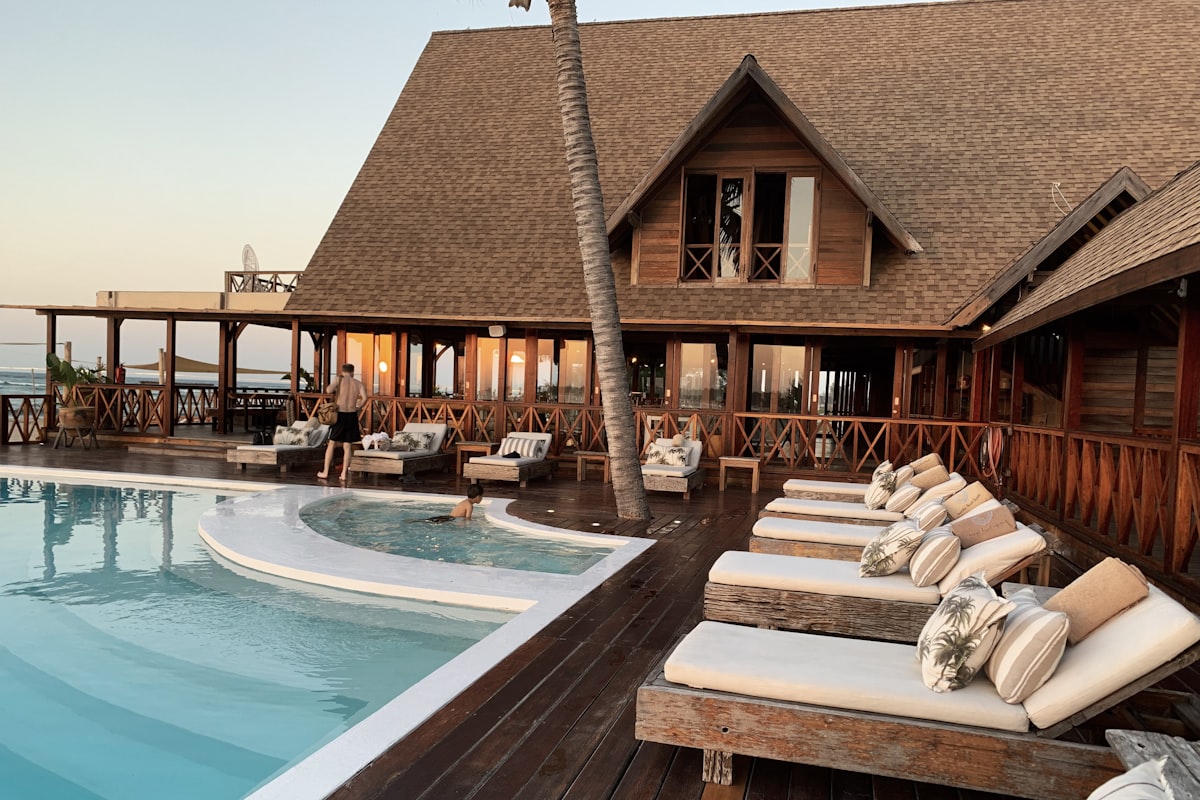
Hotels & Homes
Hotels, resorts, hostels and homes worldwide - book a room to share and split the cost.
Flights
Compare and book flights anywhere - grab your seats side by side with your partner.

Trains
Scenic routes and fast city hops - book train tickets across many countries.

Car Rentals
Rent a car and explore on your own schedule - perfect for road trips together.
Tours & Attractions
Skip-the-line tickets, day tours and experiences at the top attractions.

Flight + Hotel
Bundle your flight and hotel in one booking and save on the whole trip.

eSIM
Stay connected abroad with an instant travel data plan - no roaming, no SIM swap.
Prefer your French Polynesia trip arranged for you?
Tell us your dates and style. Our planners send back a tailor-made itinerary and quote.
Find a travel partner for French Polynesia
Match with verified French Polynesia travel companions, compare plans and split the cost - all before you book.
More countries in Oceania

Australia
Reefs, red desert and surf-city living - a continent ringed by beaches.
Explore Australia
New Zealand
Fjords, glaciers and adventure sports - two islands stitched by epic roads.
Explore New Zealand
Fiji
Soft-coral reefs, palm-fringed beaches and island time - the warmest welcome in the Pacific.
Explore Fiji