

Find a Travel Partner in Côte d'Ivoire
Everything you need to plan Côte d'Ivoire with a travel partner - key facts, current tourism trends, live local data, and exactly what your passport needs to enter.
🇨🇮 Côte d'Ivoire at a glance
- Capital
- Yamoussoukro
- Largest city
- Abidjan
- Official language
- French
- Area
- 322,463 km² (124,504 mi²)
- Population
- 32.7 million2025 · World Bank
- Currency
- West African CFA franc, XOF (Fr)
- Region
- Western Africa
- Time zone
- Africa/Abidjan
- Calling code
- +225
- Plug type
- Type C, E
Data updated: weather just now · rates just now · sources: Open-Meteo, ExchangeRate-API
About Côte d'Ivoire
Côte d'Ivoire (Ivory Coast) is West Africa's economic powerhouse and one of its most dynamic, fast-rising destinations - a country shaking off a turbulent past to emerge confident, stylish and welcoming. Abidjan, the buzzing economic capital, is the regional trendsetter: a lagoon city of glass towers (the Plateau district earns its "Manhattan of West Africa" nickname), a famous nightlife and live-music scene (coupé-décalé was born here), bustling markets, and the cathedral-and-galleries culture of Cocody and the artisan workshops of the Plateau. It's energetic, fashionable and far more developed than first-timers expect. The contrasts are striking. In the official capital, Yamoussoukro, the Basilica of Our Lady of Peace rises improbably from the savanna - a near-replica of St. Peter's and, by some measures, the largest church in the world, an astonishing, surreal monument. On the coast, Grand-Bassam, the elegant former French colonial capital, is a UNESCO town of faded mansions and surf beaches a short drive from Abidjan; the fishing-and-resort towns of Assinie and Sassandra string further along the Gulf of Guinea. Inland lie the sacred forests and mask traditions of the Man region's mountains, the cocoa farms that make the country the world's largest producer, and the wildlife of Comoé and Taï national parks. For travel partners Côte d'Ivoire is an exciting, under-the-radar choice: French-speaking, increasingly easy (a straightforward e-visa, improving infrastructure), and rich in music, beaches, food (try attiéké and grilled fish) and that warm Ivorian energy. It's more developed and lively than most of the region - share a beach weekend at Assinie and a night out in Abidjan, and you'll discover a side of West Africa that's genuinely on the up.
Tourism in Côte d'Ivoire
International tourist arrivals over the most recent years with available data - roughly #8 of 15 in its continent by reported arrivals (sources vary by country).
Travelers heading to Côte d'Ivoire
Real members with trips planned and dates set - match with someone going your way.
Be the first to plan a Côte d'Ivoire trip
Create your trip and we'll match you with verified travelers heading the same way - so you never explore Côte d'Ivoire alone.
Create your tripBest time to visit Côte d'Ivoire
The dry seasons are the best times to visit: the main one runs roughly November-March (and a shorter dry spell around July-August in places), bringing more comfortable conditions for the coast, cities and travel, with the harmattan haze possible December-February. The rainy seasons (April-June and September-November in the south) are hot, humid and wet, with heavy downpours that can complicate travel, though the landscapes turn lush. Coastal Abidjan and the beaches are warm and humid year-round (26-31°C). The north is drier and hotter. For beach time at Assinie and Grand-Bassam and easier overland travel, target the November-March window. Major Catholic and traditional festivals and the famous mask festivals of the west add cultural color.
Top places & experiences in Côte d'Ivoire
Abidjan
West Africa's most dynamic city - the Plateau's skyline, Cocody's galleries and cathedral, lagoon views, legendary nightlife and the birthplace of coupé-décalé.
Basilica of Our Lady of Peace (Yamoussoukro)
A staggering near-replica of St. Peter's rising from the savanna - by some measures the largest church on Earth, a surreal must-see in the official capital.
Grand-Bassam
The elegant former colonial capital - a UNESCO town of faded French mansions, artisan markets and surf beaches, an easy escape from Abidjan.
Assinie
The chic coastal getaway of lagoons and Atlantic beaches - watersports, beach resorts and weekend escapes where Abidjan unwinds.
Man & the western mountains
Lush hills, waterfalls, liana vine bridges and the sacred mask-and-dance traditions of the region - the cultural heart of the interior.
Comoé National Park
A vast UNESCO savanna-and-forest reserve in the northeast with elephants, chimps and rich birdlife - West Africa's wild, off-circuit side.
Budget & costs
Estimates in USD for planning only - your style and season change everything. Use the live exchange rate above for local-currency budgeting.
Getting around
Abidjan is the hub: it has a busy international airport, a developing urban transport system (a metro line is in the works), and the chaotic-but-cheap gbakas (minibuses) and woro-woros (shared taxis), plus orange metered city taxis and ride-hailing (Yango, Uber) which are the easy choice for visitors. The Abidjan lagoon is crossed by ferries (bateaux-bus) - a scenic, cheap way to move. Between cities, comfortable intercity coaches (UTB, and others) link Abidjan with Yamoussoukro, Grand-Bassam and the regions on improving roads; shared taxis cover shorter hops. Grand-Bassam and Assinie are easy day or weekend trips by road from Abidjan. For the western mountains or the national parks, a hired car-and-driver or organized trip is the practical approach. French is essential for navigating transport.
Money & connectivity
Côte d'Ivoire uses the West African CFA franc (XOF), pegged to the euro - convenient and stable for budgeting. Cash dominates outside Abidjan's upmarket hotels and restaurants (which take cards) - carry CFA for taxis, markets and travel (ATMs in cities; mobile money like Orange/MTN/Wave runs the local economy). Tipping is appreciated. SIMs (Orange, MTN, Moov) are cheap with good urban coverage; EU roaming doesn't apply. Wi-Fi is common in Abidjan hotels and cafés. French is the language of everything - English is limited, so some French is genuinely needed. The e-visa system is straightforward (apply online; yellow-fever vaccination is required for entry). Bargaining in markets is expected. Abidjan is notably more expensive than rural areas.
Health & safety
Côte d'Ivoire has stabilized considerably and is increasingly safe for travelers, especially Abidjan and the southern coast, though it's wise to check your government's current advisory (some northern border areas near the Sahel carry security warnings and are best avoided; the main tourist areas are the focus). In Abidjan, use normal city caution - petty theft and bag-snatching occur, so watch valuables, avoid flashing wealth, and use ride-hailing at night rather than walking unlit areas. The bigger everyday risks are health: malaria is present countrywide (prophylaxis, repellent, nets essential), yellow-fever vaccination is required, drink bottled/filtered water, and the heat and humidity are significant. Road accidents are a real hazard - use reputable transport, avoid night highway driving. Medical care is best in Abidjan, limited elsewhere - insurance with evacuation is wise. Emergency number: 170 (police), 180 (fire/ambulance).
General guidance, not medical or security advice. Check your own government's latest travel advisory and a travel-health clinic before you book.
Culture & etiquette
Ivorians are warm, stylish and proud of their country's resurgence - greetings are important (take time for them), and an open, friendly, well-dressed manner earns respect in this fashion-conscious society (Abidjan takes style seriously). Côte d'Ivoire is religiously mixed (Muslim, Christian and traditional beliefs coexist) and generally relaxed, but dress neatly and modestly out of respect, more conservatively in the Muslim north and at religious sites. Use the right hand for giving, receiving and eating - the left is impolite. Sharing food (like attiéké and grilled fish or chicken) is sociable and warm. French is the lingua franca, woven with local languages; politeness and a few French words smooth everything. Avoid political discussion given the sensitive recent past. Useful phrases (French): "Bonjour" (hello), "Merci" (thank you), "S'il vous plaît" (please), "C'est combien?" (how much?), "Ça va?" (how's it going? - the universal greeting). A respectful, upbeat traveler fits right in.
Visa & entry requirements for Côte d'Ivoire
Every nationality is different - pick your passport for a personalized answer, or open our Visa page for assisted help applying.
Check your visa
Select your passport to see exactly what you need to enter Côte d'Ivoire.
Plan your Côte d'Ivoire trip together
Book everything you need for Côte d'Ivoire in one place - and split the cost with your travel buddy.
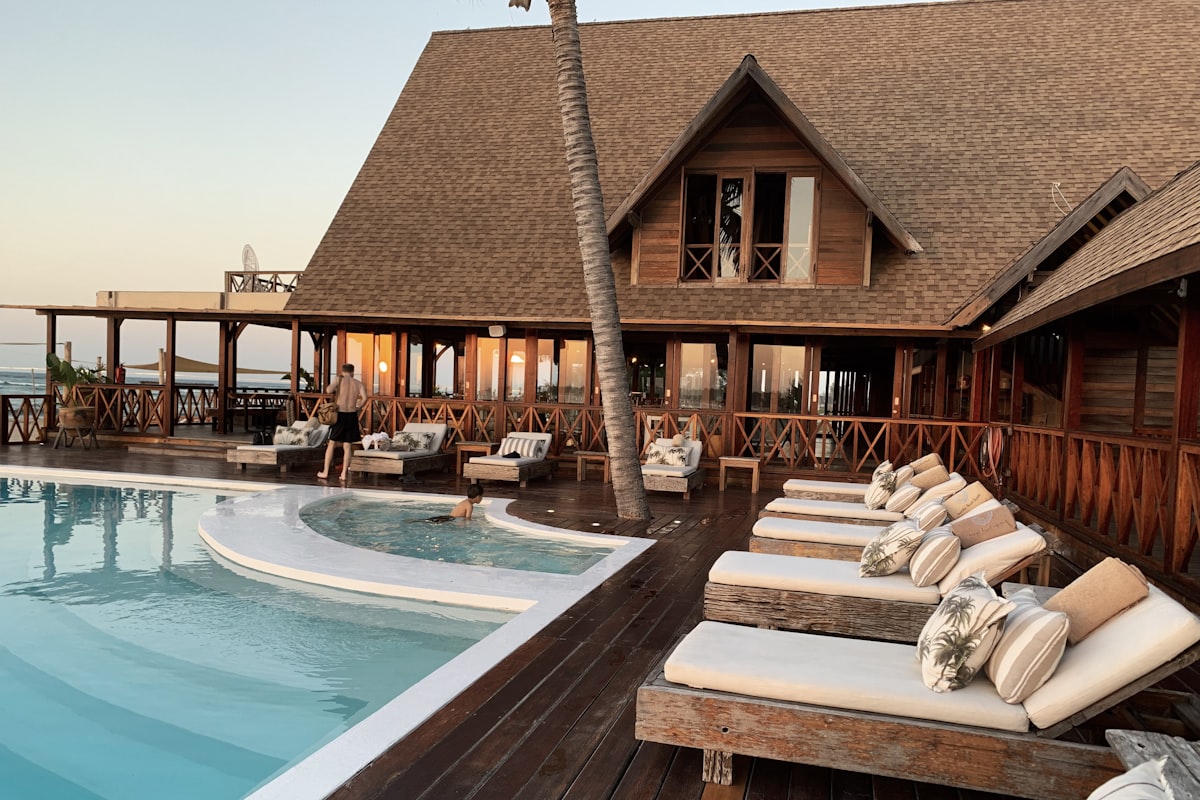
Hotels & Homes
Hotels, resorts, hostels and homes worldwide - book a room to share and split the cost.

Flights
Compare and book flights anywhere - grab your seats side by side with your partner.

Trains
Scenic routes and fast city hops - book train tickets across many countries.

Car Rentals
Rent a car and explore on your own schedule - perfect for road trips together.
Tours & Attractions
Skip-the-line tickets, day tours and experiences at the top attractions.

Flight + Hotel
Bundle your flight and hotel in one booking and save on the whole trip.

eSIM
Stay connected abroad with an instant travel data plan - no roaming, no SIM swap.
Prefer your Côte d'Ivoire trip arranged for you?
Tell us your dates and style. Our planners send back a tailor-made itinerary and quote.
Find a travel partner for Côte d'Ivoire
Match with verified Côte d'Ivoire travel companions, compare plans and split the cost - all before you book.
More countries in Africa

Morocco
Labyrinthine medinas, the High Atlas and Sahara dunes - sensory and endlessly photogenic.
Explore Morocco
Egypt
Pyramids, Nile temples and Red Sea reef - the original bucket-list trip.
Explore Egypt
South Africa
Safari, wine country and Cape Town's mountain coast - the continent's most varied trip.
Explore South Africa